

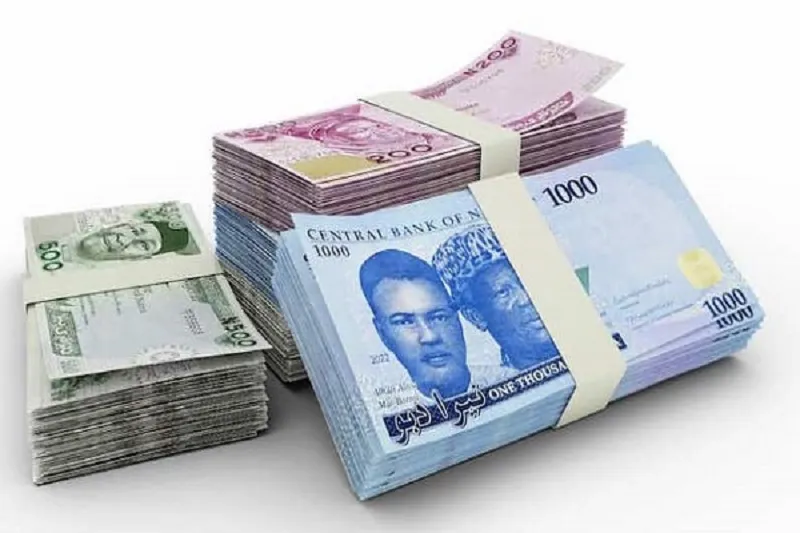
Nigeria’s currency, the naira, is showing early signs of stability against major foreign currencies, raising cautious optimism among investors and economic stakeholders.
Data from the foreign exchange market indicates a narrowing gap between official and parallel market rates, a development attributed to ongoing reforms by the Central Bank of Nigeria (CBN). Financial analysts say improved dollar liquidity and policy consistency have contributed to the trend.
Economic experts note that the government’s efforts to unify exchange rates and boost investor confidence are gradually yielding results. They argue that sustained policy discipline will be critical to maintaining the gains.
Traders in Lagos and Abuja reported reduced volatility in recent weeks, with some expressing confidence that the worst phase of currency instability may be easing. However, they cautioned that demand for foreign exchange remains high, particularly for imports and international transactions.
READ ALSO: Football Transfers Shake Up Global Leagues
The CBN has reiterated its commitment to transparency and market-driven policies, emphasizing that reforms are aimed at creating a more resilient financial system.
Despite the positive outlook, challenges remain, including inflationary pressures and external economic uncertainties. Economists warn that stability in the foreign exchange market must be complemented by increased domestic production to reduce reliance on imports.
Business owners have welcomed the development, noting that a stable currency environment could improve planning and reduce operational risks.
Government officials maintain that broader economic reforms, including investments in infrastructure and agriculture, will support long-term growth and stability.