
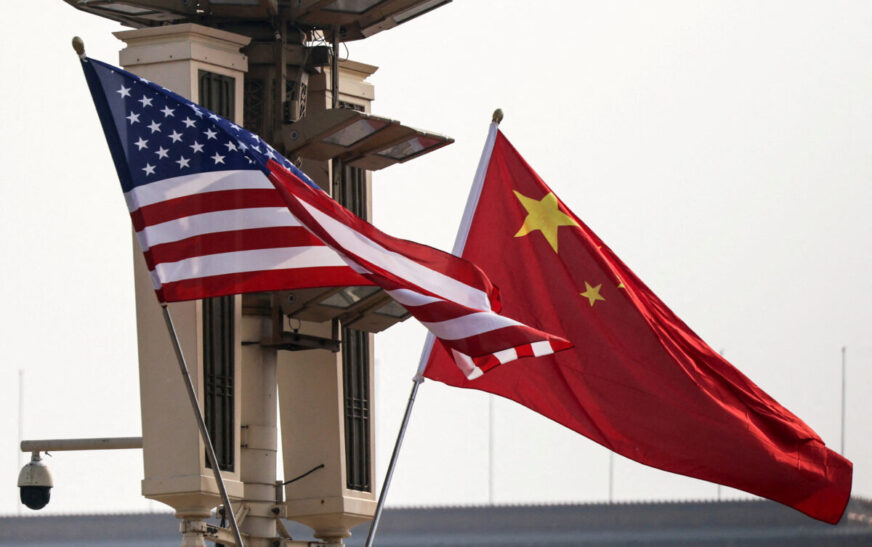
The relationship between the United States and China is entering a new phase as both countries seek to manage competition while maintaining economic cooperation.
Recent diplomatic engagements have raised hopes that tensions between the world’s two largest economies may stabilize. Officials from both sides have signaled a willingness to continue dialogue on key economic and security issues.
Trade remains a major area of focus. Businesses and investors are closely watching discussions involving tariffs, market access, and supply chains. Many companies have welcomed signs of improved communication after years of uncertainty.
At the same time, significant differences remain. Technology competition continues to shape the relationship, particularly in sectors such as artificial intelligence, advanced manufacturing, and semiconductor production.
National security concerns also remain prominent. Issues involving regional security, export controls, and strategic influence continue to create friction between the two countries. Analysts say these challenges are unlikely to disappear even as diplomatic channels remain active.
Global markets have generally responded positively to indications that both governments are seeking to avoid further escalation. Investors view stable relations as important for economic growth and international trade.
READ ALSO: Super Eagles Preparations Intensify Ahead of World Cup 2026
The impact extends beyond Washington and Beijing. Governments around the world are adjusting their policies in response to changing dynamics between the two powers. Many countries are attempting to balance economic engagement with strategic considerations.
Experts describe the current situation as one of managed competition rather than confrontation. Both nations appear committed to protecting national interests while reducing the risk of major disruptions.
Businesses are also adapting to evolving geopolitical realities by diversifying supply chains and reassessing long-term investment strategies. These adjustments reflect broader concerns about resilience and economic security.
While significant disagreements persist, continued dialogue is viewed as an important step toward maintaining stability. Analysts note that the relationship between the United States and China influences everything from trade and technology to global security and climate policy.
The coming years are expected to play a critical role in determining whether cooperation and competition can coexist in a rapidly changing international environment.