
Efforts to ease tensions in Gaza continue as international leaders seek solutions to one of the world’s most challenging and closely watched conflicts.
Diplomatic discussions have intensified in recent weeks amid growing concerns about humanitarian conditions in the region. Aid organizations report ongoing difficulties delivering essential supplies, including food, medicine, and clean water to affected communities.
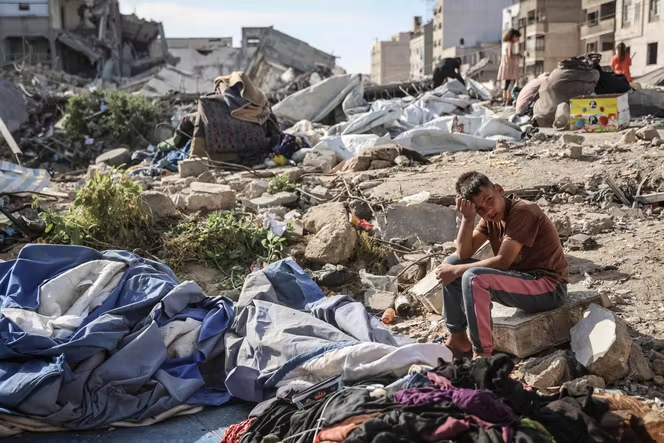
Thousands of families remain displaced, while infrastructure damage has created additional challenges for residents. Humanitarian groups warn that living conditions could deteriorate further without increased access to relief assistance and long-term reconstruction efforts.
International mediators are working to reduce hostilities and encourage dialogue among key stakeholders. However, achieving lasting progress has proven difficult due to deep political divisions and longstanding security concerns.
The situation continues to attract global attention, with governments and international organizations urging restraint and renewed diplomatic engagement. Several countries have called for measures aimed at improving humanitarian access and reducing risks to civilians.
Analysts note that developments in Gaza have broader implications for regional stability. Tensions involving neighboring countries and regional powers remain closely linked to events unfolding on the ground.
READ ALSO: Super Eagles Preparations Intensify Ahead of World Cup 2026
Public demonstrations and political debates related to the conflict have taken place in numerous countries, reflecting the strong emotions and differing perspectives surrounding the issue. Governments worldwide continue to face pressure from citizens, advocacy groups, and international organizations to support efforts toward peace.
Security experts argue that a sustainable solution will require addressing immediate humanitarian needs while also tackling longer-term political and governance questions. These include reconstruction, economic development, security arrangements, and future administrative structures.
Despite ongoing challenges, diplomats remain engaged in efforts to find common ground. International observers say continued dialogue is essential to preventing further escalation and creating conditions for meaningful negotiations.
Many residents of the region hope for greater stability after years of uncertainty and conflict. However, analysts caution that progress is likely to be gradual and will require cooperation from multiple parties.
As negotiations continue, the international community remains focused on balancing humanitarian priorities with broader security concerns. The outcome of these efforts could have significant implications for both regional and global stability.