
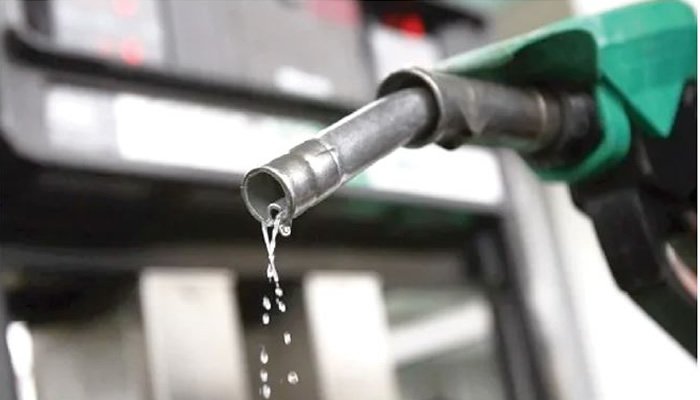
Petroleum product marketers and retailers have projected a possible fresh drop in petrol prices following a new partnership by the Nigerian National Petroleum Company Limited with Chinese firms to revive Nigeria’s long-dormant refineries.
The development comes after NNPCL, on April 30, 2026, signed a Memorandum of Understanding with Sanjiang Chemical Company and Xinganchen (Fuzhou) Industrial Park Operation and Management Co., Limited to support the completion and restart of the Port Harcourt and Warri refineries. Industry stakeholders say the move could significantly boost domestic refining capacity and ease pressure on fuel prices.
Nigeria’s state-owned refineries, including Port Harcourt, Warri, and Kaduna, have remained largely inactive for years despite billions of dollars spent on rehabilitation. The Port Harcourt refinery was shut down in May last year for scheduled maintenance and has yet to resume operations. Over the past two decades, an estimated $18 billion to $25 billion has been invested in refinery rehabilitation projects with little result, leaving the country heavily dependent on imports.
This gap was partially filled by the Dangote Refinery, which has served as a major domestic supply source. However, marketers argue that increased local competition from revived public refineries would further drive down pump prices.
The renewed push to restore refining capacity comes amid global oil market volatility triggered by tensions in the Middle East. The ongoing Iran–United States–Israel conflict has disrupted supply chains, pushing crude prices higher. Benchmark Brent crude and West Texas Intermediate recently traded at about $112 and $104 per barrel respectively, contributing to a surge in domestic petrol prices.
READ ALSO: Lilian Afegbai Kicks Over AMVCA Snub
In Abuja and other cities, petrol prices have risen sharply to between N1,364 and N1,380 per litre, up from around N800 just two months ago. The increase has triggered higher transportation costs and worsened the economic burden on households and businesses.
Reacting to the development, Billy Gillis-Harry, National President of the Petroleum Products Retail Outlets Owners Association of Nigeria, said the NNPCL partnership could mark a turning point for the downstream sector.
He noted that increased local refining would enhance product availability and introduce healthy competition into the market. According to him, greater supply from multiple sources—both local and international—naturally leads to price moderation across petroleum products, including petrol, diesel, and aviation fuel.