
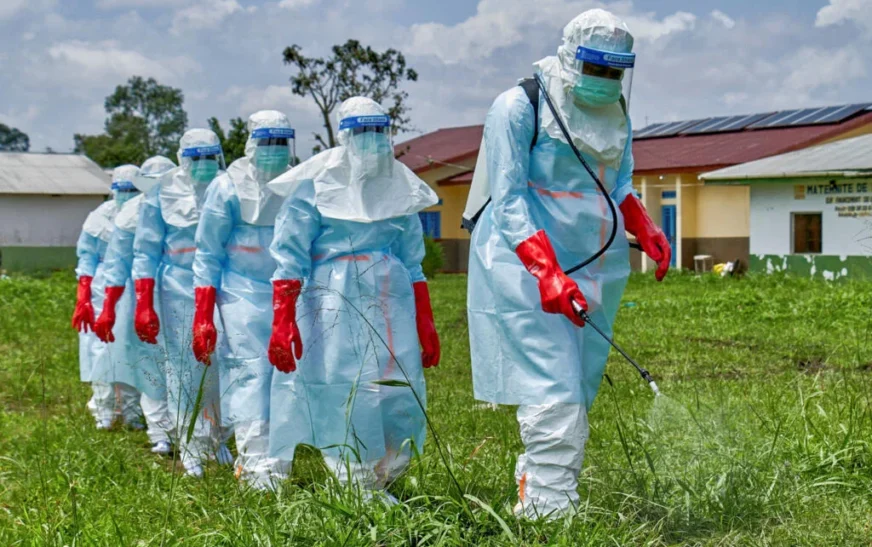
Nigeria’s public health authorities have intensified surveillance and contact tracing following confirmation of an imported case of Ebola Bundibugyo virus disease in the Federal Capital Territory.
The Federal Ministry of Health and Social Welfare confirmed the case on October 20, 2026, after laboratory testing identified the virus in a woman who had recently travelled from Uganda. The patient was isolated and placed under medical care, while health officials began tracing people who may have been exposed.
The World Health Organization said the patient’s symptoms began on October 7, four days after her arrival in Nigeria. She sought treatment at a private health facility in Abuja on October 11, before laboratory confirmation was obtained on October 20.
As of the initial official update, 44 contacts had been identified for monitoring. Authorities have also strengthened infection-prevention measures at the hospital and increased surveillance to identify possible additional exposures.
The case has drawn national attention because Ebola is a serious infectious disease that requires rapid detection, isolation and coordinated public health action. However, the confirmation of an imported case does not by itself establish widespread transmission within Nigeria.
READ ALSO: NDLEA Arrests Businessman With 4.8kg Cocaine Hidden In Shoes, Bags
The Federal Government has urged public and private health facilities to maintain a high level of vigilance, identify suspected cases promptly and report them to the relevant authorities. Healthcare workers have also been reminded of the need to follow infection-prevention procedures.
Investigations into the source of the infection remain important. The World Health Organization said authorities were reconstructing the patient’s travel and exposure history to determine how the infection occurred.
That investigation is particularly significant because the Bundibugyo strain has been associated with an outbreak declared in the Democratic Republic of the Congo in May 2026. The WHO has called on countries to strengthen surveillance, laboratory capacity and cross-border preparedness.
For residents, public health officials’ guidance and verified information are essential. People should seek medical advice if they have relevant symptoms and a possible exposure history, rather than relying on rumours circulating on social media.
The response will depend on how effectively authorities identify contacts, monitor their health, protect healthcare workers and communicate developments to the public.
Nigeria’s experience with previous public health emergencies has demonstrated the importance of early reporting and coordination among government agencies, hospitals and communities.
While officials continue investigating the case, the immediate priority remains containing the infection and preventing further transmission. The effectiveness of those measures will be determined by surveillance findings and subsequent official updates.