
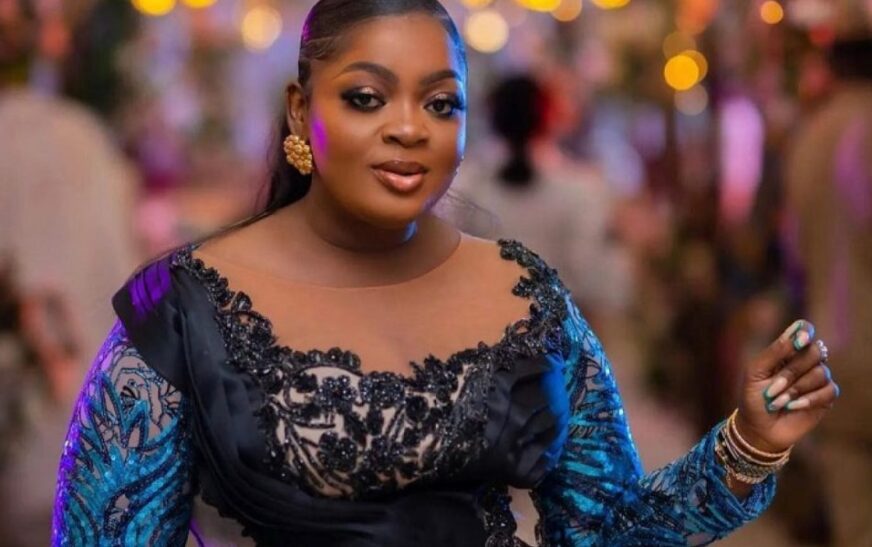
Nigerian actresses Eniola Badmus and Laide Bakare have attracted public attention following a disagreement that spilled onto social media, prompting renewed discussion about celebrity relationships and the influence of online platforms on the entertainment industry.
Eniola Badmus reportedly apologised to Laide Bakare and called for peace after the exchange generated reactions among fans and entertainment followers. The development followed a viral podcast moment that triggered criticism and a public response from Bakare.
The disagreement illustrates how brief moments involving popular entertainers can quickly become major talking points in Nigeria’s digital media environment.
In an industry where performers depend on audience engagement, social media has become an important channel for promoting films, announcing projects, communicating with fans and responding to criticism. However, the same platforms can amplify misunderstandings and turn personal disagreements into public controversies.
The exchange involving the two actresses attracted attention partly because both women are established figures in Nollywood, with audiences who follow their professional activities and personal updates.
Badmus’s reported apology and call for peace introduced a conciliatory element into the dispute. Nevertheless, the available reports do not establish every detail of the disagreement or provide a complete account of the perspectives of everyone involved.
It is therefore important to distinguish confirmed public statements from interpretations circulating online.
For celebrities, public disagreements can have consequences beyond immediate social media engagement. They may influence professional relationships, public perception and the way audiences interpret future appearances or collaborations.
At the same time, disagreements between public figures should not automatically be treated as evidence of a wider professional conflict. The entertainment industry accommodates different personalities, opinions and working relationships, and individual disputes may be resolved privately.
The incident also raises questions about the role of audiences in online controversies. Viral clips are often circulated without the full context of the original conversation, encouraging users to draw conclusions from brief exchanges.
READ ALSO: NDLEA Arrests Businessman With 4.8kg Cocaine Hidden In Shoes, Bags
Responsible reporting requires journalists and digital publishers to establish what happened, identify the statements made by the parties and avoid presenting speculation as fact.
For entertainment platforms, the story demonstrates the continued public interest in Nollywood personalities and the speed with which celebrity developments can attract attention.
However, sustained coverage should go beyond controversy. The industry also deserves attention for its creative output, business opportunities, international distribution and the professional achievements of its performers.
Whether the disagreement leads to a lasting reconciliation will depend on the parties themselves. Their reported exchange has nevertheless become another example of how celebrity relationships can dominate online conversation.
For fans, the immediate development is the reported apology and call for peace. For the wider industry, it is a reminder that public communication can shape reputations quickly, making restraint and clear communication valuable in an increasingly connected entertainment landscape.