
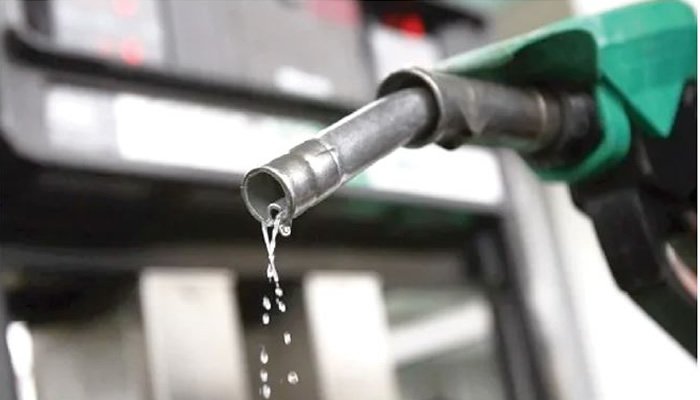
Petrol prices across Nigeria have begun to fluctuate again as marketers adjust to evolving market conditions, sparking concern among consumers already grappling with rising living costs.
Independent marketers cited changes in global oil prices, exchange rates, and supply chain costs as key factors influencing the adjustments. Pump prices in some cities have seen slight increases, while others recorded marginal declines.
Industry stakeholders say the deregulated market environment allows prices to respond to economic realities, but acknowledge the burden this places on ordinary Nigerians.
Transport operators have warned that further increases could lead to higher fares, affecting commuters and businesses alike. Many Nigerians have expressed frustration, noting that fuel costs significantly impact daily expenses.
READ ALSO: Football Transfers Shake Up Global Leagues
The Nigerian National Petroleum Company Limited (NNPCL) has assured the public of steady supply, stating that measures are in place to prevent shortages.
Energy analysts argue that long-term stability will depend on increased local refining capacity, particularly with the operational ramp-up of domestic refineries.
Government officials maintain that reforms in the petroleum sector are necessary to eliminate inefficiencies and attract investment.
Consumer advocacy groups have called for targeted support measures to cushion the impact on vulnerable populations.
Despite the uncertainties, experts believe that a fully deregulated market could eventually lead to greater efficiency and competition.