
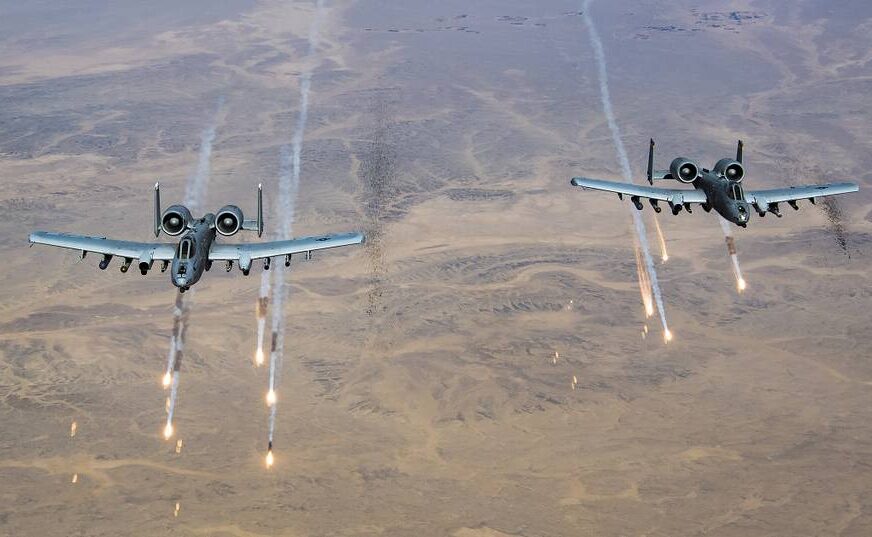
Controversy has erupted following reports of recent United States airstrikes targeting suspected extremist hideouts in parts of northern Nigeria, with local residents, security analysts, and civil society groups raising questions over the operation’s accuracy and impact.
According to multiple sources, the airstrikes were carried out against locations believed to be linked to Islamic State-affiliated groups operating in remote areas. However, witnesses in nearby communities have disputed claims that the affected areas were active terrorist camps, saying there was little visible evidence of militant presence before or after the strikes.
Residents reported hearing loud explosions and seeing debris, including unexploded ordnance, sparking fears about civilian safety. Local leaders expressed concern that such actions, if not properly coordinated with Nigerian authorities, could worsen insecurity and heighten tensions in already volatile regions.
READ ALSO: Tinubu Salutes Troops for Quick Action in Benin Crisis
Security experts have also questioned the intelligence used for the operation. Some analysts warned that inaccurate targeting could undermine counterterrorism efforts and fuel local resentment, which extremist groups often exploit for recruitment.
The Nigerian government has yet to release detailed information on the strikes, but officials have reiterated the importance of respecting Nigeria’s sovereignty while acknowledging international partnerships in the fight against terrorism. A senior government source said discussions were ongoing to clarify the circumstances surrounding the operation.
Human rights organisations have called for a transparent investigation to determine whether civilians or civilian infrastructure were affected. They urged both governments to prioritise the protection of non-combatants and adhere strictly to international humanitarian law.
The development comes amid heightened global focus on counterterrorism operations in West Africa, where militant groups continue to exploit weak governance, poverty, and porous borders.