
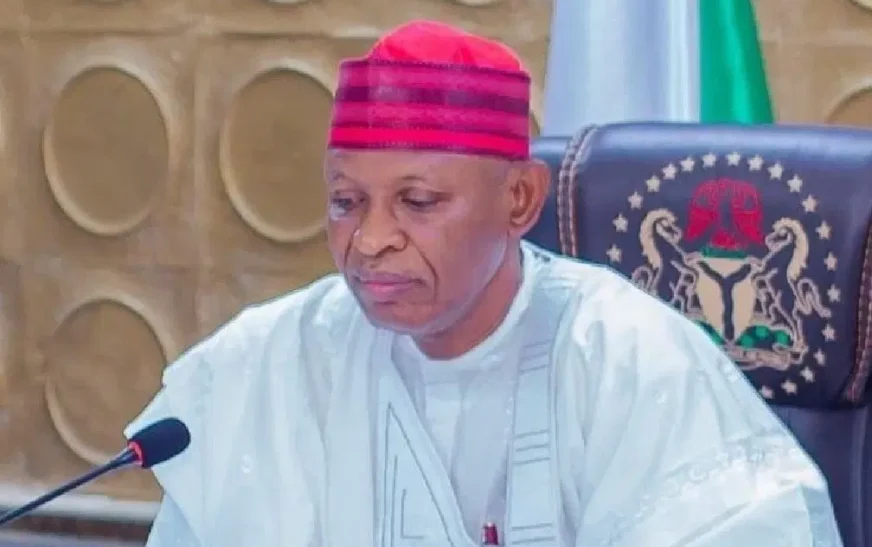
Nearly two years into his administration, Yusuf has worked to define his tenure around restoration, social investment and institutional reform. From education and healthcare to infrastructure and civil service restructuring, his government has pursued an agenda that seeks to reposition Kano as a model of subnational governance in northern Nigeria.
Reclaiming the Education Agenda
Education has been one of the most visible pillars of Yusuf’s administration. Early in his tenure, the governor signaled a return to aggressive public sector investment in schools, particularly basic and secondary education.
Thousands of classrooms across local government areas have undergone renovation, with new desks, improved sanitation facilities and learning materials supplied to public schools. The administration also moved to address teacher shortages by recruiting qualified personnel and initiating capacity-building programs.
Beyond infrastructure, Yusuf’s government reinstated and expanded scholarship schemes for Kano students studying within Nigeria and abroad. The move was framed as both a social welfare intervention and a long-term human capital strategy. By prioritizing education funding in the state budget, the governor has consistently argued that economic growth in Kano must be anchored on knowledge and skills.
READ ALSO: Southern Youths make U-turn, reject Sunday Igboho
Special attention has also been paid to girl-child education. Advocacy campaigns, community engagement and support programs have been introduced to curb dropout rates, especially in rural communities. The administration’s message has been clear: development without inclusive education is incomplete.
Healthcare Reform and Social Protection
The health sector has also witnessed renewed activity. Yusuf’s administration began with an audit of public health facilities to identify gaps in staffing, equipment and service delivery. Several primary healthcare centers have since been renovated, while general hospitals have received new medical supplies and upgrades.
The state government has strengthened its health insurance framework to expand coverage among low-income households. By subsidizing premiums and encouraging enrollment, officials say the aim is to reduce out-of-pocket expenses that often push families into financial distress.
Maternal and child health programs have received particular attention. Immunization drives and antenatal care initiatives have been scaled up in collaboration with development partners. The governor has repeatedly emphasized that improving life expectancy and reducing preventable deaths are central to his development blueprint.
Infrastructure: Roads, Drainage and Urban Renewal
Kano’s rapid urban growth has placed significant pressure on roads, drainage systems and public utilities. Recognizing this, Yusuf’s administration launched a series of infrastructure projects targeting both metropolitan Kano and underserved rural areas.
Road construction and rehabilitation have featured prominently. Several township roads in Kano city have been reconstructed to ease traffic congestion and improve connectivity between commercial hubs. In rural communities, feeder roads linking farming areas to markets have been prioritized to boost agricultural productivity.
Flood control and drainage expansion have also formed part of the urban renewal strategy. Seasonal flooding has long disrupted economic activity and damaged homes. By investing in improved drainage channels and desilting operations, the administration hopes to mitigate these risks.
Public buildings, including schools and hospitals, have been rehabilitated under a broader urban renewal framework. The governor has described these efforts as a “restoration agenda,” aimed at reviving infrastructure that had deteriorated over time.
Civil Service and Governance Reforms
One of the early administrative steps under Yusuf was a review of civil service appointments and structures. His government argued that institutional efficiency must underpin policy delivery. Through internal audits and restructuring, the administration sought to streamline ministries and eliminate redundancies.
Salary payments and pension obligations have remained politically sensitive issues in Kano. Yusuf pledged regular payment of workers’ salaries and clearance of outstanding entitlements. By maintaining wage stability, the administration has attempted to build goodwill among public servants and labor unions.
In addition, anti-corruption rhetoric has been prominent in official communications. The government has pledged transparency in procurement and budget execution, promising to block leakages and ensure value for money in public spending.
Agriculture and Economic Revitalization
Agriculture remains a backbone of Kano’s economy. The state’s vast rural population depends on farming, livestock and agro-processing for livelihood. Yusuf’s administration has introduced initiatives aimed at supporting farmers with inputs, extension services and improved market access.
Subsidized fertilizers and seeds have been distributed to boost crop yields. The government has also encouraged mechanization and irrigation to reduce dependence on seasonal rainfall. By investing in agricultural value chains, the administration hopes to increase rural incomes and strengthen food security.
On the commercial front, Kano’s historic role as a trading hub in West Africa has shaped economic policy. Markets have received infrastructural upgrades, while small and medium enterprises have been encouraged through access to credit schemes and skill acquisition programs.
The governor’s economic narrative emphasizes job creation. Youth empowerment initiatives, including vocational training and entrepreneurship support, have been launched to address unemployment. Given Kano’s youthful population, these programs are seen as critical to social stability.
Political Resilience and Legal Battles
Yusuf’s tenure has not been without political turbulence. Post-election legal disputes and judicial proceedings tested the resilience of his administration. Throughout the legal contestations, he maintained public confidence, urging supporters to remain calm and respect institutional processes.
When the courts ultimately affirmed his mandate, it was widely seen as a moment of consolidation. The episode reinforced the importance of constitutional order while strengthening his political standing among supporters.
Observers note that navigating this period required careful messaging and coalition management. By maintaining engagement with party stakeholders and community leaders, Yusuf managed to stabilize governance during a potentially destabilizing period.
Social Cohesion and Community Engagement
Kano’s diversity demands careful attention to religious and traditional institutions. Yusuf has maintained close engagement with community leaders, scholars and traditional rulers, recognizing their influence in shaping public opinion.
Town hall meetings and stakeholder consultations have been used to communicate policies and gather feedback. The governor’s outreach strategy reflects an understanding that policy success often depends on grassroots buy-in.
Social welfare programs targeting vulnerable groups have also been introduced. These include support for widows, persons with disabilities and internally displaced persons. While resource constraints remain, the administration has framed these interventions as moral obligations.
Security and Public Order
Security remains a national concern, and Kano has not been immune to broader regional challenges. Yusuf’s government has collaborated with federal security agencies to maintain peace and prevent unrest.
Community policing efforts and intelligence-sharing mechanisms have been strengthened. The administration has also supported youth engagement programs as preventive measures against crime and radicalization.
While security challenges persist across Nigeria, Kano has largely maintained relative stability during Yusuf’s tenure, allowing economic and social activities to proceed without major disruptions.
Balancing Expectations and Fiscal Realities
Governing a state as large and complex as Kano requires balancing ambition with fiscal discipline. Like many subnational governments, Kano operates within tight revenue constraints, heavily dependent on federal allocations and internally generated revenue.
Yusuf’s administration has emphasized improved revenue collection without overburdening citizens. Efforts to digitize revenue processes aim to enhance transparency and reduce leakages.
Budget priorities have reflected a tilt toward capital expenditure in education, health and infrastructure. Yet, sustaining these investments will depend on economic growth and prudent financial management in the years ahead.
The Road Ahead
As he approaches the midpoint of his term, Abba Kabir Yusuf’s administration stands at a defining juncture. His policy direction has been clear: invest in people, rebuild institutions and restore public confidence.
Critics argue that implementation speed and fiscal sustainability remain areas to watch. Supporters, however, point to visible projects and renewed government presence in communities as evidence of progress.
What remains undeniable is that Kano’s trajectory under Yusuf is being shaped by deliberate policy choices centered on social investment and infrastructural renewal. Whether these strides translate into long-term transformation will depend on continuity, institutional strength and inclusive growth.
For now, the governor’s tenure reflects an administration intent on redefining governance in one of Nigeria’s most consequential states. In Kano’s bustling markets, renovated classrooms and newly paved roads, the imprint of a restoration-driven agenda is increasingly visible.